Home › Asphalt Resurfacing & Overlays
Precision Asphalt Reno offers asphalt resurfacing in Reno, NV as a budget friendly way to renew aging driveways. We repair key damage, then install a new asphalt overlay that smooths rough surfaces and extends pavement life. Resurfacing is ideal when the base is stable but the surface is tired or cracked.
Precision Asphalt Reno provides professional asphalt resurfacing throughout Reno, NV, Nevada and the surrounding area. Our licensed, insured crew delivers safe, clean, on-time work with a free estimate before anything begins. Call (775) 370-7037 or request your free quote.
Asphalt Resurfacing & Overlays in Reno, NV
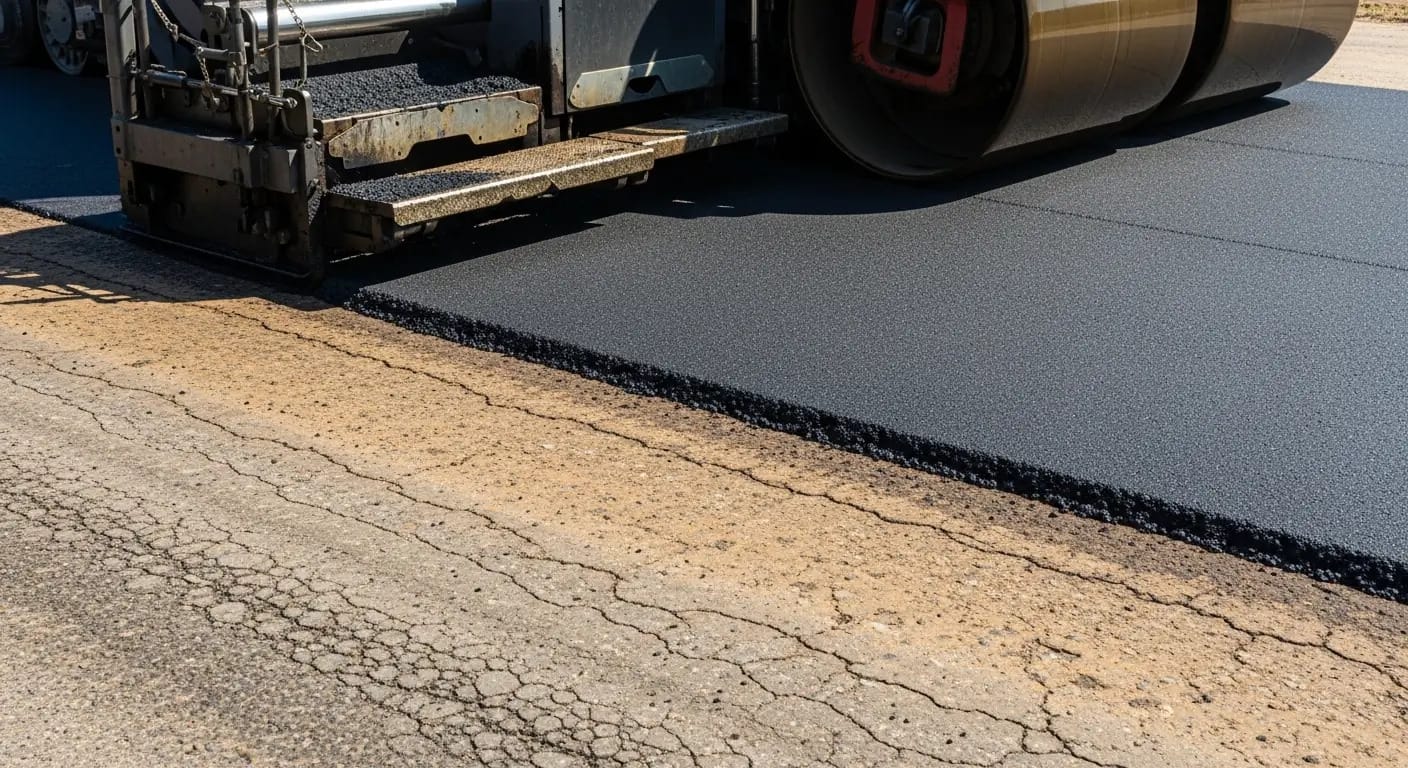
Asphalt resurfacing is often the most cost effective way to restore a worn or cracked parking lot, driveway, or private road in Reno without paying for full reconstruction. Instead of tearing everything out, we grind or level the top layer, correct problem areas, then install a new asphalt surface over the existing base.
Precision Asphalt Reno focuses on resurfacing and overlays that hold up to Northern Nevada sun, freeze–thaw cycles, and snow removal. That means we look closely at your existing pavement structure, drainage, and traffic loads before we recommend any work. If your base is still sound, resurfacing can give you another 10 to 15 years of life at a fraction of replacement cost.
This page explains exactly how resurfacing works, when it is a smart choice, what affects pricing, and how we adapt every overlay to Reno conditions so you get a surface that lasts, not just one that looks good on day one.
Is Resurfacing Right for Your Asphalt or Is It Too Far Gone?
Not every cracked or faded surface is a good candidate for asphalt resurfacing. The key question is whether the foundation under the pavement is still stable.
When Precision Asphalt Reno evaluates your property, we look for:
• Cracking patterns: Isolated alligator cracking in patches can often be milled out and repaired before an overlay. Widespread alligator cracking across large areas usually means the base has failed, and resurfacing alone will not last.
• Settlement and rutting: Depressions where vehicles sit or where water pools tell us the foundation has moved. If ruts are shallow and confined to wheel paths, we can often level those spots. Deep or widespread settlement usually requires base repair or full replacement.
• Edge failures: Crumbling edges along driveways or lanes may need widening and base reinforcement before we resurface.
• Drainage behavior: In Reno, standing water quickly turns to ice in winter and breaks down the new surface. If your lot does not shed water correctly, we design the overlay thickness and slope to improve drainage, or add swales and inlets where needed.
If we see conditions that would cause a new overlay to fail early, we will say so and outline the repairs needed first. Resurfacing is a smart investment only if the structure underneath can support it.
Our Asphalt Resurfacing & Overlay Process
A durable overlay is all about careful preparation and controlled paving. Here is how Precision Asphalt Reno typically completes an asphalt resurfacing project:
1. Inspection and measurements: We walk the entire site, document cracks, soft spots, drainage issues, and traffic patterns, then shoot grades to understand how water moves across your pavement.
2. Structural repairs: Before any overlay, we cut out failed areas, remove weak material, and rebuild the base with compacted aggregate. We may also proof roll questionable sections with a loaded truck to locate hidden soft spots.
3. Milling and leveling: Where height is an issue at garages, ADA ramps, or transitions to streets, we use a milling machine to grind down the existing surface to the correct depth so that the new overlay matches thresholds and curbs. For ruts or birdbaths, we install leveling courses of asphalt to create an even platform.
4. Cleaning and tack coat: The existing pavement is swept thoroughly and blown clean. Then we apply an asphalt emulsion tack coat that bonds the new asphalt layer to the old surface. Without proper tack, overlays can slide or delaminate, especially under braking loads in parking lots.
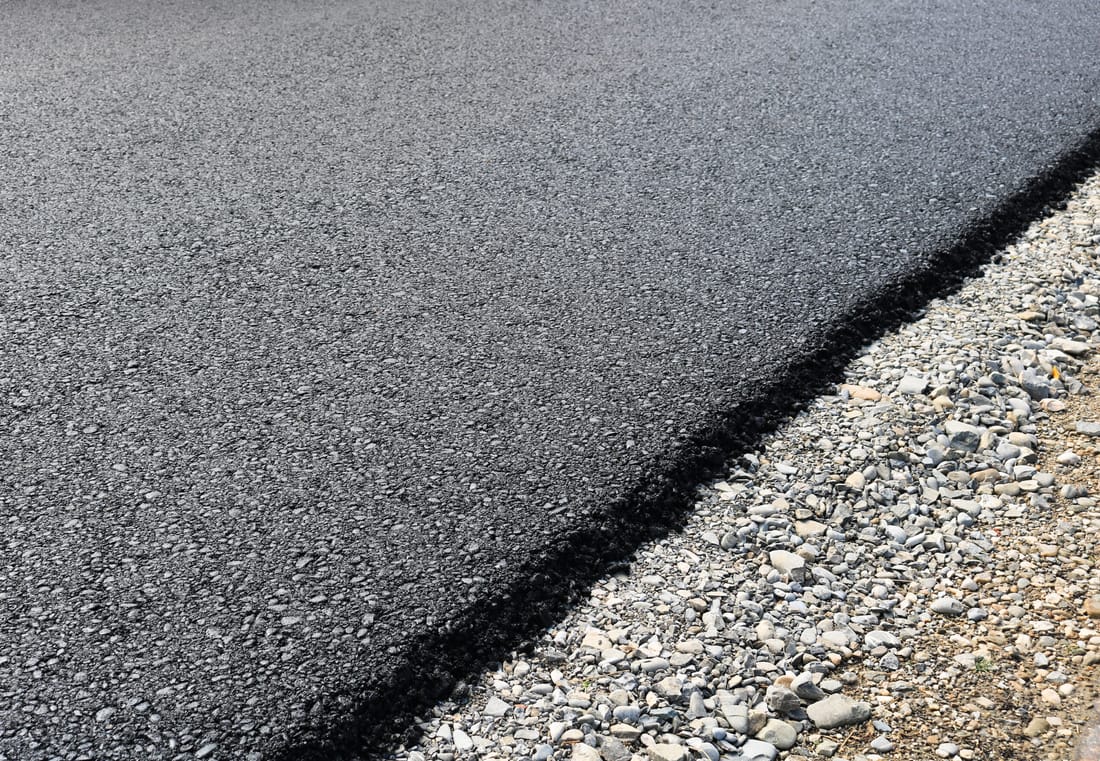
5. Placing the new asphalt: We install a new hot mix asphalt layer, typically 1.5 to 2.5 inches thick for most Reno driveways and parking lots, using a paver for consistent thickness and smoothness. Hand work is used for tight or irregular areas.
6. Compaction: Steel drum and pneumatic rollers compact the new surface to specified densities. Proper compaction is critical in Reno’s climate to limit moisture infiltration and early cracking.
7. Striping and finishing: After cooling, we re-stripe stalls, directional arrows, ADA stalls, fire lanes, and any specialty markings. For residential driveways, we confirm clearances at gates, doors, and drainage features before final clean up.
Each step is adapted to your specific site conditions so the overlay performs as a new surface, not just a cosmetic patch.
Materials, Mix Designs, and Options for Reno Conditions
Not all asphalt is the same. For resurfacing and overlays in Reno, Precision Asphalt Reno selects mixes designed to handle large temperature swings, intense UV exposure, and frequent snow plow contact.
We typically use dense graded hot mix asphalt with performance graded binders suitable for Northern Nevada temperatures. For high traffic areas, such as retail centers or industrial yards, we may specify a mix with a higher quality aggregate blend and slightly higher asphalt content to improve durability and resistance to raveling.
You can expect us to discuss:
• Overlay thickness: Residential driveways and light traffic lots often receive 1.5 to 2 inches. Heavier commercial traffic or delivery truck lanes may need 2 to 3 inches, sometimes placed in two lifts for better compaction.
• Joint details: Where your new overlay meets concrete approaches, manholes, or neighboring pavement, we pay attention to saw cuts, transitions, and sealing, since these are common failure points in our freeze–thaw cycles.
• Surface texture: Slightly textured surfaces improve skid resistance in winter. For steep driveways in the foothills, we often recommend a finish that balances smoothness with traction for icy mornings.
• Future sealcoating plan: An overlay lasts longer if it is sealed on a proper schedule. In Reno, that typically means the first sealcoat 12 to 18 months after resurfacing, then every 3 to 5 years depending on use.
By choosing the right mix and thickness for your use and location, we help your new surface withstand UV, cold nights, and plowing without premature cracking.
What Drives Asphalt Resurfacing Cost in Reno
Two properties that look similar from the street can have very different resurfacing costs. Precision Asphalt Reno explains these factors up front so you understand where your budget is going.
Key cost drivers include:
• Square footage and layout: Open areas that a paver can handle easily cost less per square foot than small, cut up spaces with islands, tight corners, or narrow drives that require more hand work.
• Thickness of overlay: More asphalt means higher material and trucking costs. Heavier traffic zones, such as dumpster pads or loading areas, may require thicker or stronger mixes.
• Amount of base repair: Cutting out and rebuilding soft spots and failed areas is often the biggest variable. If your base is mostly sound, resurfacing remains very economical. Extensive base failures may make full reconstruction more sensible.
• Milling and transitions: Work at garage thresholds, ADA ramps, and curb lines often requires precision milling and careful hand work to avoid tripping hazards and drainage problems. That extra time is reflected in the price.
• Access and staging: Steep driveways in the hills, lots with limited access, or projects that must be done in phases to keep businesses open can affect labor and equipment time.
We provide itemized proposals that separate resurfacing from base repairs, milling, and striping. That way you can see exactly what is required and discuss options if you want to phase the work over multiple seasons.
Local Timing, Weather, and Traffic Control Considerations
Reno’s climate plays a major role in how and when asphalt resurfacing should be scheduled. Precision Asphalt Reno plans projects around temperature, moisture, and your use patterns so the overlay performs as intended.
Ideal paving conditions in Reno are typically from late April through October, when daytime temperatures are warm enough to achieve proper compaction and nighttime lows stay above freezing. We monitor forecasts closely and will not place overlays when rain or snow is expected that day, since moisture trapped in the interface can weaken the bond.
For commercial lots, we often phase resurfacing so businesses can remain open. That might mean working in halves or thirds, scheduling heavier work on weekends or off hours, and setting up clear detours and temporary parking. We coordinate with your management team to minimize disruption for tenants, customers, or residents.
On residential driveways, most overlays can be placed and compacted in a single day, with typical light traffic allowed after 24 hours and full curing over several days. In cooler shoulder seasons, we may recommend a slightly longer cure time before heavy vehicles park on the new surface.
We also account for snow removal. If your property uses steel blade plows, we pay special attention to joint details, edges, and drainage paths so plows do not catch or damage the new surface in the first winter.
What to Expect When You Hire Precision Asphalt Reno
A successful asphalt resurfacing project starts with clear communication. When you contact Precision Asphalt Reno, we begin with a site visit, not a quick estimate over the phone.
During that visit, we:
• Walk the pavement with you and explain what we see, including any structural concerns.
• Take measurements and grades to design slope and thickness.
• Identify drainage corrections and any ADA or code issues that should be addressed during the overlay.
Our written proposal outlines the scope of repairs, overlay thickness, mix type, phasing plan, traffic control, and striping details. You know in advance where saw cuts will be, which areas will be milled, how long access will be restricted, and what maintenance we recommend after completion.
On paving day, our crew arrives with dedicated equipment for your project, not a mix of leftovers from another job. A foreman is on site to answer questions, coordinate access, and walk the finished work with you before cleanup. After completion, we provide guidance on when to drive, park, and plow on the new surface, along with recommendations for sealcoating and crack maintenance so you get the full value out of your overlay.
If you are considering asphalt resurfacing for a Reno driveway, parking lot, or private road, Precision Asphalt Reno is ready to evaluate your pavement honestly and propose a solution that matches its real condition and your long term plans.