Home › Private Road and Lane Paving
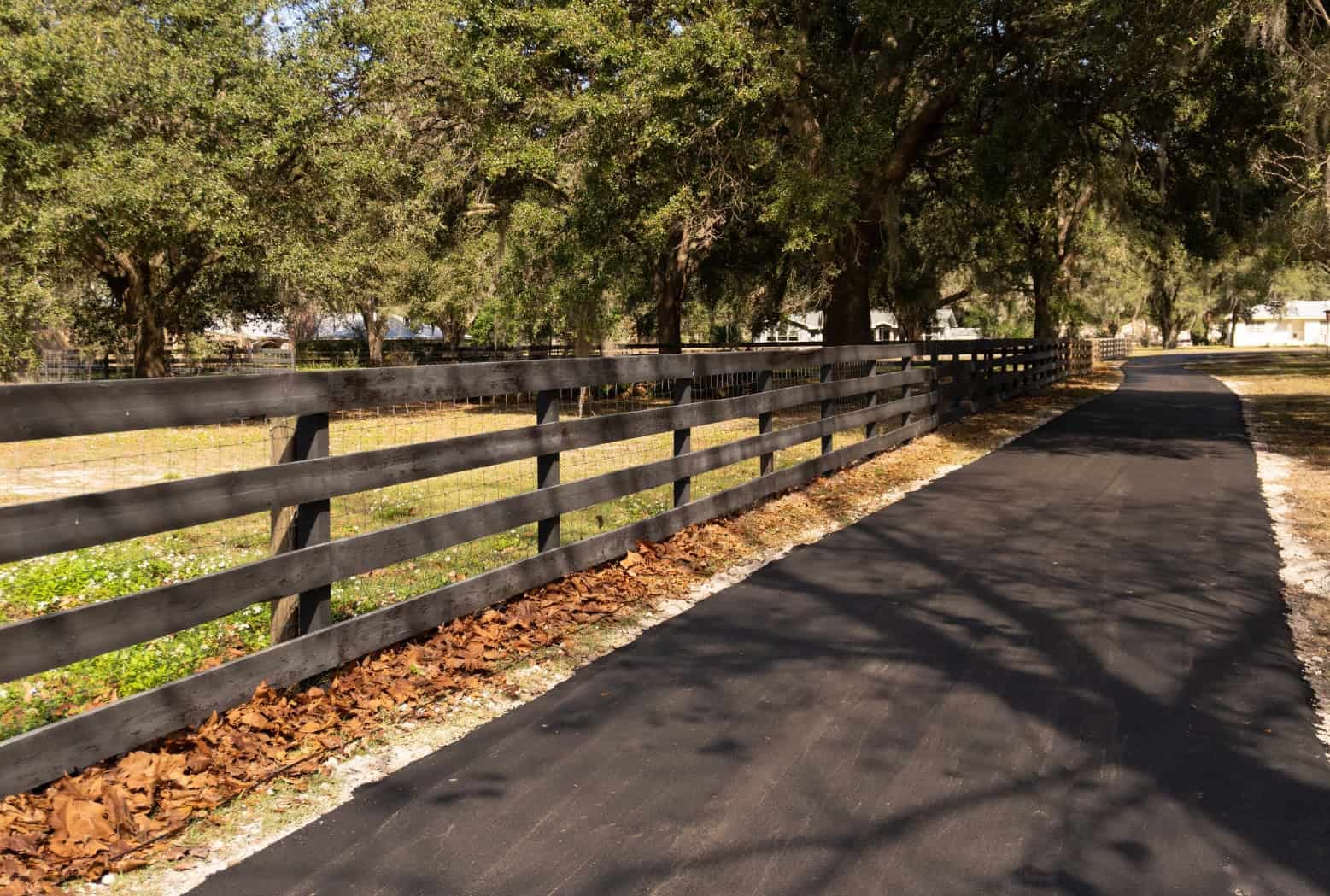
Precision Asphalt Reno offers private road paving in Reno, NV for shared driveways, lanes, and rural access roads. We build stable bases and thick asphalt surfaces to handle recurring traffic and local weather. Our team can improve drainage, smooth out ruts, and upgrade gravel or dirt lanes to reliable asphalt.
Precision Asphalt Reno provides professional private road paving throughout Reno, NV, Nevada and the surrounding area. Our licensed, insured crew delivers safe, clean, on-time work with a free estimate before anything begins. Call (775) 370-7037 or request your free quote.
Private Road Paving for Reno Properties
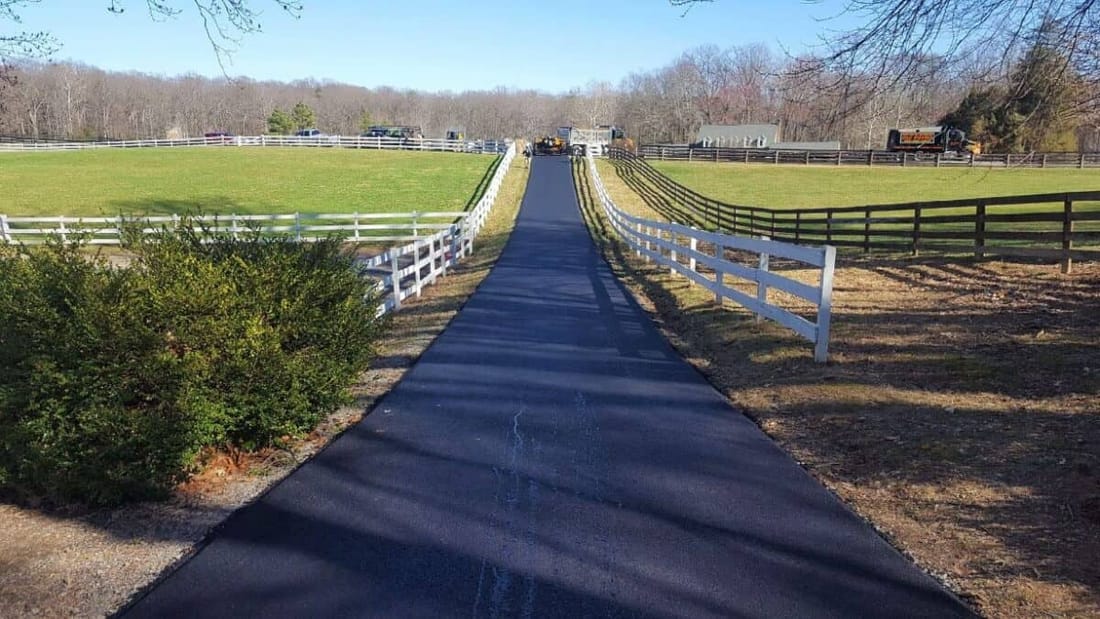
Private road and lane paving in Reno is not the same as basic driveway work. Longer runs, shared access, snow loads, and heavy vehicles all put much more stress on the pavement. At Precision Asphalt Reno, we design and build private roads to handle real-world use in Northern Nevada, not just to look black and new on day one.
We work with ranch and acreage owners, HOAs, commercial yards, and multi-home access roads throughout the Reno and Sparks area. Whether you need a new private lane through undeveloped ground or are trying to rehabilitate a rutted gravel road that washes out every winter, we evaluate your site, your traffic, and your budget before recommending a solution. Our goal is to give you a road that drains correctly, stands up to your vehicles, and is realistic to maintain over the next 15 to 25 years.
Because private roads are on your land, you carry the long-term maintenance cost. Getting the design right at the start is the smartest money you will spend. Precision Asphalt Reno focuses on subgrade prep, drainage, and asphalt thickness so you are not paying to fix the same stretch of road every few years.
How We Design a Private Road That Lasts in Reno
Good private road paving starts with design. We begin with a site walk to study slopes, soil type, existing ruts, and how water currently moves across your property. Reno soils can range from hard decomposed granite to loose sandy or clay pockets within a single lane. If the subgrade is weak in one section, that is where your road will fail first.
We ask specific questions: What uses the road today and what will use it in ten years? Do you run horse trailers, delivery trucks, propane trucks, or heavy equipment on it? Is snow plowed with a blade or a blower? Are you planning to subdivide the property so shared access rules apply? These answers determine asphalt thickness, base depth, and whether we recommend full-depth asphalt in certain load areas, such as steep approaches or tight corners.
We then define lane width and alignment. A typical single-lane private road in Reno is 10 to 12 feet wide, but we may recommend 14 to 16 feet where trailers pass or where emergency access is a concern. For HOAs, we often coordinate with fire access guidelines and insurance requirements so your private road does not become a liability. The design plan also addresses where to place ditches, culverts, and possible turnouts or passing zones to keep traffic safe and the pavement dry.
Step-by-Step: Our Private Road Paving Process
Once the design is set, Precision Asphalt Reno follows a repeatable process that reflects what works in Northern Nevada’s climate.
1) Clearing and stripping: We remove vegetation, organic topsoil, and unsuitable material from the roadway footprint. Any remaining roots or organics are hauled off, not buried beneath the pavement where they can rot and create voids.
2) Subgrade shaping and compaction: We grade the native soil to establish the basic road profile, building in a crown or cross slope of roughly 2 percent so water sheds off the driving surface. We compact in passes with heavy rollers or compactors, testing firmness. If a section pumps or deflects under equipment, we correct it before continuing.
3) Base rock installation: For most Reno private roads we install 4 to 8 inches of aggregate base, more if soils are weak or heavy trucks are frequent. The base is placed in lifts, each lift is compacted, and we fine-grade it to finish tolerance. Good base work is what keeps roads from developing wheel ruts and potholes.
4) Tack coat and asphalt placement: We apply an asphalt emulsion tack coat where we are tying into existing pavement or building in lifts to improve bonding. Asphalt is then laid with a paver wherever access allows. For tight or steep areas we may hand-place and compact with smaller rollers and plate compactors to ensure density.
5) Compaction and finishing: We compact asphalt to target density to reduce air voids and water intrusion. Joints are sealed, and transitions to concrete, gravel, or existing asphalt are feathered so vehicles do not hit a hard bump.
6) Final inspection and walkthrough: We review slopes, drainage, and edges with you on site. If we see small adjustments that will improve snow shedding or keep water away from soft shoulders, we address them before final signoff.
Material and Design Options for Private Lanes
Private road paving is not one-size-fits-all. Precision Asphalt Reno offers options that can be mixed across different stretches of the same road so you are not overspending where you do not need heavy-duty pavement.
Standard hot mix asphalt (HMA) over compacted aggregate base is the most common choice for private roads and shared drive lanes in Reno. For residential access with light to moderate traffic, we often use a 3 to 4 inch asphalt section over 4 to 6 inches of base. For roads that see regular truck or trailer traffic, that can increase to 4 to 6 inches of asphalt over 8 or more inches of base.
On steeper segments where spinning, braking, and snow plow contact are frequent, we may specify slightly coarser surface mixes that provide more texture and grip. In shaded or icy areas, we sometimes recommend different mixes or additional sand sealing in future years for traction.
Edges are another design consideration. On rural lanes with limited budgets, we may build compacted gravel shoulders. For HOAs or commercial sites, we can add defined edges, such as concrete valley gutters, ribbon curbs, or stabilized shoulders, which help control drainage and keep edges from unraveling when vehicles drop a wheel off the pavement.
For long gravel roads where you cannot pave everything at once, we can design phased improvements, such as paving only the worst hills, curves, or high-maintenance sections first, then adding more pavement as budget allows.
Costs, Permits, and Local Considerations in Reno
Private road paving cost in the Reno area is driven mainly by length, width, base thickness, asphalt thickness, and access. Steep terrain, tight switchbacks, or poor access for trucks can add cost because it takes more time and smaller equipment. Unstable soils or areas that need undercutting and replacement also increase cost, but they prevent repeat failures.
As a rough idea, a straightforward private lane with good access might fall into a per-linear-foot budget once we know the width and section. However, we do not quote by generic square foot numbers alone because those often ignore drainage and soil corrections. Precision Asphalt Reno prefers to inspect and then give a written scope so you know exactly what is included.
In Washoe County and the City of Reno, fully private roads on private land typically do not need the same public street permitting, but there are important exceptions. If your road connects to a public street, any work at the tie-in can trigger city or county requirements. Shared roads that serve multiple homes may fall under subdivision, access easement, or HOA rules. Insurance carriers and fire departments may also impose minimum width, grade, and surfacing requirements for emergency access.
We help you understand which rules apply, coordinate with your HOA if needed, and plan work so it does not interfere with trash pickup, deliveries, or school buses for shared lanes. If a road is close to drainage ways, we also look at stormwater considerations so new pavement does not create erosion problems down slope.
Common Private Road Problems We Solve
Reno’s freeze-thaw cycles, sudden storms, and snow plowing create specific problems on private roads that we see every year. Correcting them is often a combination of structural repair and drainage improvement, not just patching.
Rutting and potholes usually point to inadequate base or poor subgrade support. In those cases, we do not recommend simply adding a thin overlay. Instead, we cut out the failed sections, rebuild the base to proper depth, and then tie the repair into neighboring pavement so the patch does not become a weak spot.
Standing water and soft shoulders are common on older private lanes with little or no crown. We correct this by regrading, adding or reshaping ditches, installing culverts where cross drainage is needed, and, if necessary, slightly widening the road to create room for safe shoulders. Managing runoff is especially important on decomposed granite slopes around Reno, where uncontrolled water can quickly trench beside or undercut a lane.
Snow plow damage shows up as scraped edges, peeled-up patches, and broken surfaces at cul-de-sacs or turnarounds. When we know a lane is plowed regularly, we design transitions that are plow-friendly, clearly define edge lines, and recommend maintenance tips for your plow contractor, such as rubber edges in sensitive areas or proper blade height on new pavement.
Dust and washboards on gravel sections are another recurring issue. For owners not ready to fully pave long stretches, we can stabilize key segments with base upgrades and then plan a future asphalt phase. Where full paving is selected, the dust problem disappears and vehicle maintenance costs usually drop, which matters on longer rural drives.
What to Expect When You Hire Precision Asphalt Reno
From your first call, our focus is clarity. We start with a site visit, measurements, and a conversation about how you use your private road and what you want to avoid in the future. After that visit, Precision Asphalt Reno provides a detailed proposal that spells out pavement section, base depth, drainage work, and any optional upgrades, such as widening, shoulders, or turnouts.
Scheduling is coordinated around access, weather, and your daily use. For shared private roads we can phase work so residents always have a way in and out, or we plan short, clearly communicated closures. In hotter months we schedule paving to avoid the worst heat for better compaction, and in cooler shoulder seasons we watch temperature windows closely so asphalt gets proper density.
During construction you will see us checking grades, densities, and joints, not just spreading blacktop. At the end, we walk the road with you, review maintenance expectations, and answer questions such as when to allow heavy trucks, when to schedule sealcoating, and how to handle plowing the first winter.
If you are planning private road paving anywhere in the Reno area, having us inspect the route early can prevent costly changes later, such as moving utilities or redoing drainage. Contact Precision Asphalt Reno to talk through your lane or access road, and we will help you choose a solution that fits your property and holds up in Northern Nevada conditions.